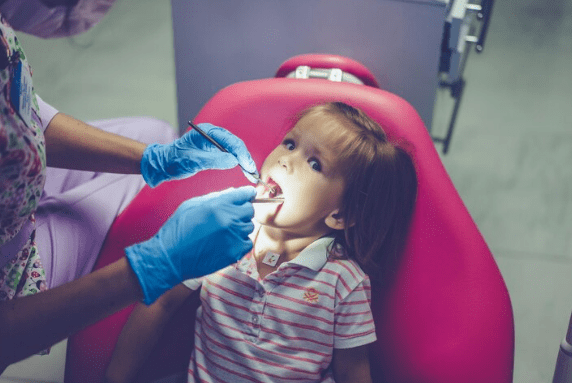
Milk teeth aren’t just hanging out doing nothing while they wait to fall out. Each tooth is actively holding a specific spot so the big tooth underneath knows exactly where it needs to grow. When milk teeth run into problems or disappear way too early, this entire system falls apart.
The permanent teeth are literally sitting right beneath milk teeth, slowly forming and getting harder throughout early childhood years. Infections happening in milk teeth can actually travel downward and mess up these developing adult teeth. Really deep cavities sometimes break completely through the root, which lets bacteria get direct access to the permanent tooth bud growing below. This absolutely wrecks how that adult tooth develops.
Healthy milk teeth also play a huge role in helping jaws grow the right way. Kids chew all kinds of different food textures using these teeth, and that chewing action stimulates the jaw bones to grow properly. When milk teeth get badly decayed or go missing altogether, kids almost always end up chewing on just one side. This lopsided chewing pattern really affects how jaws develop and where permanent teeth end up.
Problems That Keep Popping Up
Early childhood cavities hit incredibly hard and spread fast. This aggressive decay attacks multiple teeth simultaneously, typically starting in those upper front teeth before spreading backward. The infection brewing from these cavities can actually reach down to damage the permanent tooth buds sitting underneath, which results in weird spots or weak enamel showing up when those adult teeth finally push through years later.
Abscesses forming in milk teeth happen when decay burrows deep enough to reach inside. The infection builds up a pus pocket that spreads to surrounding bone and tissues. When this infection manages to extend down to reach the permanent tooth bud below, it causes some serious developmental problems – incomplete enamel formation or structurally weakened areas that stay forever.
Losing milk teeth way too early whether from extraction or accidents completely throws off the natural spacing system. The teeth sitting next to the empty gap start drifting into that vacant spot within just a few months. Fast forward several years when the permanent tooth is finally ready, and there’s literally zero space left. This crowding situation forces expensive orthodontic work that honestly could have been completely avoided.
Bite problems stemming from milk teeth troubles develop when bottle feeding continues way too long, thumb sucking persists well past the toddler stage, or teeth get lost prematurely. These bite issues established during the milk teeth phase almost always stick around or actually get worse once permanent teeth start showing up.
When Infection Actually Travels
The way everything’s positioned puts milk teeth and developing permanent teeth surprisingly close together. Milk teeth have roots extending pretty deep down into the jaw bone, which positions them right near those permanent tooth buds. When a badly decayed milk tooth develops an abscess, that infection can literally spread through the bone to actually reach the developing adult tooth sitting below it.
This bacterial invasion happening during critical formation stages really disrupts how enamel gets produced. The end result might be a permanent tooth showing chalky spots, pitted surfaces, or missing enamel in severe cases. These defects are absolutely permanent, which makes that affected tooth significantly more vulnerable to getting cavities throughout life.
The Space Crisis Nobody Talks About
When a milk tooth gets lost more than a full year before it would naturally shed on its own, orthodontic complications become extremely likely. Those first permanent molars that erupt around age six behind all the baby teeth push forward slightly. At the same time, any front permanent teeth already in push backward from the other direction. This pincer movement gradually closes up the space where a permanent premolar should eventually emerge.
By the time that permanent tooth is actually ready around age 10-12, it discovers its designated space is already completely occupied. The tooth either becomes impacted and gets stuck beneath the gum, erupts in some totally abnormal position all rotated, or literally forces other teeth out of alignment as it pushes its way in wherever it can fit.
Space maintainers – these relatively simple devices that hold the gap open – can completely prevent this entire cascade. However, tons of parents remain completely unaware these devices even exist. The Best Pediatric Dental Clinic for Kids will routinely check whether space maintenance becomes necessary when milk teeth are lost prematurely.
Why Developmental Timing Actually Matters
Really understanding about milk teeth includes recognizing their carefully orchestrated timeline. Milk teeth typically start erupting around six months and complete the full set by about age three. They begin shedding around age six, with that process continuing until approximately age twelve. This extended timeframe means milk teeth remain actively functional for anywhere from 6-12 years depending on which tooth we’re discussing.
Permanent teeth develop following a really precise schedule beneath milk teeth. Any disruptions during critical formation periods end up creating lasting damage. For example, trauma to upper front milk teeth happening between ages 1-3 very often damages the permanent incisors forming directly beneath, potentially causing highly visible defects showing up when those permanent teeth finally erupt years later around age 7-8.
Speech and Facial Structure
Milk teeth perform crucial roles extending well beyond simply holding space. They provide essential support for proper speech development during the exact years when children are actively learning to form words correctly for the first time. Missing or severely decayed front milk teeth commonly cause lisping problems and real difficulty pronouncing certain sounds. While speech patterns usually self-correct once permanent teeth erupt eventually, those years of altered speech during early childhood can definitely affect language development and confidence.
Face appearance and underlying bone structure also depend heavily on maintaining healthy milk teeth. These teeth support the lips and cheeks from inside, contributing significantly to normal facial proportions. Children who lose multiple milk teeth prematurely often develop a noticeably sunken appearance around the mouth. More significantly, the loss of milk teeth removes necessary stimulation required for proper jaw bone development, potentially resulting in underdeveloped jaws creating orthodontic challenges.
Specialized Care Makes Real Difference
The field of milktooth pediatric dentistry specifically focuses on the unique needs of primary dentition and its critical relationship to those developing permanent teeth underneath. Pediatric dentists complete extensive additional training beyond standard programs, specifically studying child growth patterns and long-term consequences stemming from various milk teeth problems left untreated.
These trained specialists thoroughly understand that treating milk teeth effectively isn’t merely about addressing immediate pain – it’s fundamentally about protecting those permanent teeth that will serve the child throughout their entire adult life ahead.
Getting Access to Quality Care
Where you happen to live plays a major role in what treatment options are actually available. Urban centers typically offer significantly more pediatric dental specialists. The Best Pediatric Dentistry in India successfully combines international standard practices with genuine understanding of local dietary patterns and regional challenges affecting children across different areas.
Rural communities frequently face quite limited access to specialized services. Families may need to travel really considerable distances just to receive appropriate treatment, which inevitably delays necessary care. This gap makes prevention and early detection even more critical.
Prevention Works Way Better
Starting oral hygiene early should begin even before any teeth erupt. Wiping infant gums gently with a clean cloth after each feeding effectively reduces bacterial buildup. Once those first teeth appear, brushing twice daily with fluoride toothpaste in age-suitable amounts – rice grain size for under three, pea size for ages 3-6 – genuinely prevents cavity formation.
Making dietary changes dramatically impacts overall milk teeth health. Limiting sugar frequency actually matters significantly more than limiting total amount – constant snacking or continuously sipping sweet beverages throughout the day keeps teeth bathed in an acidic environment.
Maintaining regular checkups allows early problem detection when treatment remains simpler. Professional cleanings thoroughly remove buildup that home brushing inevitably misses.
Treatment Protecting Future Teeth
Pulp therapy procedures can save teeth that would otherwise absolutely require extraction. This treatment carefully removes infected tissue while deliberately preserving the outer structure, maintaining that crucial space holder function.
Stainless steel crowns effectively restore severely decayed milk teeth that simply cannot be fixed using standard fillings. These prefabricated crowns completely cover the damaged tooth, preventing further decay while maintaining full function.
Space maintainer appliances become necessary when milk teeth are lost prematurely. These custom devices physically hold the vacant space open for the incoming permanent tooth.
Common Questions
How long do milk teeth need to last? Milk teeth serve important functions from eruption until natural shedding, typically 6-12 years depending on the tooth. Front ones usually shed around ages 6-7, back molars remain until ages 10-12.
Can cavities spread to permanent teeth? Yes absolutely, infection from decayed milk teeth can reach developing permanent tooth buds beneath, causing defects or structural problems. Bacteria also attack permanent teeth as they erupt.
What if a milk tooth gets knocked out? Knocked-out milk teeth should never be reimplanted – risk of damaging the developing permanent tooth. Get immediate dental evaluation.
Can thumb sucking affect permanent teeth? Prolonged thumb sucking beyond age four definitely affects jaw growth and positioning, creating bite problems that worsen when permanent teeth come in.
Why do permanent teeth look yellow? Permanent teeth naturally appear more yellow due to differences in enamel thickness. This represents normal variation.
Long-Term Effects
Untreated milk teeth problems extend well beyond childhood. Adults who experienced severe milk teeth decay often exhibit multiple ongoing issues including dramatically increased cavity susceptibility, complex orthodontic problems, significant dental anxiety, compromised nutrition, and notably reduced confidence.
Building Foundation for Life
Proper milk teeth care establishes behavioral patterns supporting healthy permanent teeth. Children maintaining cavity-free milk teeth typically continue this success. Habits learned early – regular brushing, limiting sugar, attending checkups – become deeply ingrained lifelong behaviors.
Parents serve as primary influencers shaping children’s attitudes and practices. Consistently modeling good hygiene and maintaining positive attitudes powerfully shape how children perceive oral health.
Understanding the critical connection between milk teeth and permanent teeth motivates parents to invest appropriate effort. These temporary teeth absolutely deserve attention proportional to their genuinely important role in establishing foundation for an entire lifetime of healthy smiles.