
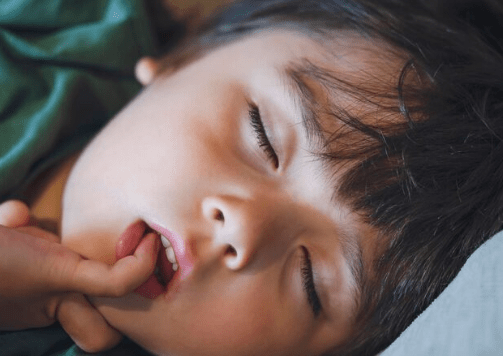
Have you noticed your child sleeping with their mouth open at night? While it may seem harmless, open mouth sleeping can sometimes indicate an underlying issue with breathing. Many parents assume it is just a habit, but persistent open mouth sleeping may affect a child’s sleep quality, oral health, and facial development over time.
Understanding why children sleep with their mouths open and when to seek help can make a significant difference in their overall health and well-being.
Why Open Mouth Sleeping Matters
Children are naturally designed to breathe through their noses during sleep. The nose plays an important role in filtering, warming, and humidifying the air before it reaches the lungs. Nasal breathing also supports proper tongue posture and healthy jaw growth.
When a child frequently breathes through their mouth instead of their nose, the body misses these benefits. As a result, long-term open mouth sleeping can contribute to several health and developmental concerns.
Common Causes of Open Mouth Sleeping
There are several reasons why a child may develop a pattern of open mouth sleeping.
Allergies and Nasal Congestion
Seasonal allergies, dust mites, pet dander, and environmental irritants can cause nasal passages to become swollen and blocked. When the nose is congested, children often rely on mouth breathing to get enough air.
Enlarged Adenoids or Tonsils
Enlarged adenoids and tonsils are among the most common causes of breathing difficulties in children. These tissues can partially block the airway, making it difficult for a child to breathe comfortably through the nose while sleeping.
Tongue Tie
A tongue tie can restrict normal tongue movement and prevent the tongue from resting properly against the roof of the mouth. This may affect airway development and contribute to breathing challenges during sleep.
Structural Airway Issues
In some cases, narrow airways, deviated nasal structures, or other anatomical concerns may lead to chronic open mouth sleeping.
Health Risks Associated with Open Mouth Sleeping
Dental Health Problems
Breathing through the mouth can reduce saliva production and dry out the oral tissues. A dry mouth creates an environment where harmful bacteria can thrive, increasing the risk of:
- Cavities
- Gum irritation
- Bad breath
- Tooth decay
Impact on Jaw and Facial Growth
During childhood, the face and jaw are still developing. Persistent open mouth sleeping can influence facial growth patterns and may contribute to:
- Narrow dental arches
- Crowded teeth
- Bite problems
- Changes in facial appearance
Poor Sleep Quality
Children who experience breathing difficulties at night may not get restful sleep. Poor-quality sleep can affect mood, behavior, learning, and concentration throughout the day.
Warning Signs Parents Should Watch For
Parents should pay attention to symptoms that may indicate an underlying breathing issue, including:
- Sleeping with the mouth open while sleeping on a regular basis
- Dry or cracked lips in the morning
- Snoring or noisy breathing
- Restless sleep
- Frequent waking during the night
- Daytime tiredness
- Difficulty concentrating
- Irritability or mood changes
Some children may also experience open mouth snoring, which can be a sign that their airway is not functioning optimally during sleep.
How Is Open Mouth Sleeping Diagnosed?
A healthcare professional may evaluate:
- Nasal passages
- Airway function
- Tonsils and adenoids
- Tongue posture
- Dental development
The goal is to identify the root cause of the breathing difficulty and develop an appropriate treatment plan.
Treatment Options
Treatment depends on the underlying cause and may include:
Allergy Management
Addressing allergies and nasal congestion can improve airflow and encourage nasal breathing.
ENT Evaluation
An ear, nose, and throat specialist may assess enlarged tonsils or adenoids and recommend treatment if necessary.
Tongue Tie Release
For children with restricted tongue movement, a tongue tie procedure may help improve tongue function and breathing patterns.
Myofunctional Therapy
This therapy focuses on improving breathing habits, tongue posture, and oral muscle function to support healthy airway development.
Tips to Help Prevent Breathing Problems During Sleep
Parents can support healthier breathing habits by:
- Keeping bedrooms clean and free from allergens
- Monitoring breathing patterns during sleep
- Treating nasal congestion promptly
- Encouraging healthy oral habits
- Scheduling regular dental check-ups
When Should Parents Seek Professional Help?
If your child consistently sleeps with their mouth open while sleeping for several weeks, it is worth discussing with a healthcare provider. Professional evaluation is especially important if the child experiences:
- Open mouth snoring
- Pauses in breathing
- Restless sleep
- Excessive daytime fatigue
- Behavioral or concentration difficulties
Early intervention can help prevent complications and support healthy development.
Conclusion
Although many parents consider it a simple habit, open mouth sleeping may be a sign of an underlying airway or breathing issue. Identifying the cause early can help protect your child’s sleep quality, dental health, and facial development.
If your child regularly experiences open mouth sleeping, seeking professional guidance can provide answers and effective treatment options. With the right care, most children can develop healthier breathing patterns and enjoy better sleep and overall well-being.
Frequently Asked Questions
Is open mouth sleeping in children normal?
Occasional episodes during illness or allergies are common. However, persistent open mouth sleeping should be evaluated to rule out airway or breathing concerns.
Can sleeping with the mouth open affect dental health?
Yes. A child who frequently sleeps with their mouth open while sleeping may have a higher risk of dry mouth, cavities, gum irritation, and other oral health issues.
Is open mouth snoring a sign of sleep apnea?
Not always. However, open mouth snoring combined with breathing pauses, gasping, or poor sleep quality should be assessed by a healthcare professional.
How is open mouth sleeping treated?
Treatment depends on the cause and may include allergy management, airway evaluation, tongue tie treatment, or myofunctional therapy.
Schedule a Consultation
If your child frequently sleeps with their mouth open, a thorough assessment can help identify the cause and guide the most appropriate treatment. The We Little team offers a Pediatric Sleep Guide & Solutions consultation to support healthy breathing and sleep habits in children.
As a Best Pediatric Dental Clinic, We Little focuses on helping children achieve healthier sleep, proper jaw development, and better long-term oral health.