
It is one of the questions we hear most from parents, usually asked with a bit of worry attached: is my child too young for this, or have we already left it too late? The honest answer is that there is no single magic age, and any clinic that hands you one flat number is oversimplifying things. The best age for braces for kids depends on your child’s teeth, their jaw, and what actually needs correcting.
What we can tell you is that the old advice, “wait until all the adult teeth are in,” is out of date and occasionally costly. Some of the most useful orthodontic work happens earlier than most parents expect, while a child is still growing. So let us walk through how the timing really works.
Why the “Best Age for Braces” Isn’t One Number
Every child’s mouth runs on its own schedule. Baby teeth fall out at different times, jaws grow at different rates, and the problems that braces are meant to fix vary enormously from one child to the next.
Because of that, orthodontists think less about age and more about development. A crossbite or a narrow jaw is best treated while the bones are still soft and growing. A simple case of crowded front teeth can often wait until more adult teeth have come through. The same child can have two very different timelines, depending entirely on what the issue is.
When Should Kids First See an Orthodontist?
On this one, the guidance is refreshingly specific. Most orthodontic bodies suggest a first check-up by around age seven.
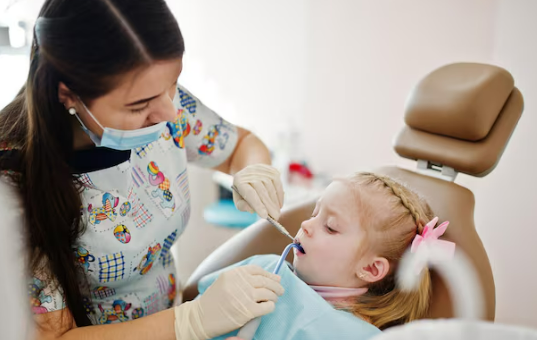
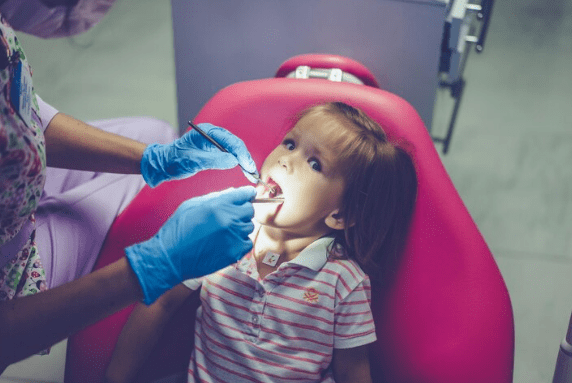
That figure surprises parents, because at seven a child still has a mouth full of baby teeth. The point is not to fit anything that early. The point is simply to look. By seven, enough permanent teeth and jaw growth are underway that a trained eye can spot trouble taking shape, things like a developing crossbite, serious crowding, or a jaw growing unevenly. Caught at that stage, some issues can be gently guided rather than forced into place years later.
Nine times out of ten, that first visit ends with little more than “everything looks fine, come back next year.” But on the tenth, catching a problem early can spare your child a great deal of harder treatment down the line.
Braces for Kids vs Braces for Teens: What Actually Changes
This is where the idea of two phases comes in, and it is worth understanding.
Early treatment, sometimes called Phase One, happens while a child is still growing, roughly between seven and ten. It uses simple appliances to correct bite and jaw problems that are far easier to influence before growth finishes. Not every child needs it. When they do, braces for kids at this stage are about steering development, not straightening a full set of teeth.
Full alignment usually comes later. Braces for teens, or for children roughly eleven to fourteen, is the stage most people actually picture, once most of the adult teeth are in and ready to be moved into their final positions. So braces for kids and braces for teens are not rival options you choose between. For some children, they are two chapters of the same story.
If your child is already a teenager and you find yourself searching “braces for teens near me,” take heart. You have both time and choices. Teenage jaws still respond well, and today’s options are far more comfortable and discreet than the braces you might remember.
Why an Early Assessment Matters More Than You’d Expect
There is one thing early treatment can do that later treatment cannot: work with your child’s growth instead of against it.
While the jaw is still developing, a dentist can gently influence how it grows, widening a narrow arch, correcting a crossbite, or making room so the adult teeth arrive straighter on their own. Wait until growth has finished, and those same corrections may need more force, longer treatment, or in some cases surgery. Habits and breathing matter here too. Mouth breathing, a tongue tie, or persistent thumb sucking can quietly push a jaw the wrong way, so spotting them early counts for a lot. That is part of why we run a dedicated tongue-tie clinic and lean on early, growth-friendly approaches like our Myoline method for naturally aligning teeth.
How We Little Approaches Braces for Kids
We treat orthodontics as something that begins with watching, not with wires.
From that first evaluation onward, our team tracks how your child’s teeth, bite, and jaw are developing, and we only suggest treatment when it will genuinely help, at the age it will do the most good. For younger children that often means simple, growth-guiding steps rather than a full set of braces. When it comes to braces for kids, our instinct is to do the least that works, at the right moment, and no more.
Because everything about the clinic is built around children, the whole experience tends to be calmer than parents expect. The ideal is an orthodontist pediatric dentist team that treats kids all day, every day, and that is precisely how we are set up. As a Best Pediatric Dental Clinic for Kids, we fold preventive pediatric care in alongside any orthodontic plan, so teeth stay healthy while they are being straightened. And for children who feel real anxiety, or who need more involved work, we offer Painless Dentistry so treatment stays comfortable from start to finish.
Your Next Step
If your child is somewhere around seven, or you have simply started wondering about their teeth, the most useful thing you can do is book an assessment. Not to start braces, just to find out where things actually stand. An orthodontist pediatric dentist who works only with children can tell you whether to act now, wait a while, or do nothing at all, which is very often the happiest answer of the three.
You can book an appointment at any of our clinics, and take a look at our full range of pediatric dental services to see how we care for growing smiles at every stage.
Frequently Asked Questions
What is the best age for braces for kids?
There is no single best age, because it depends on the problem. A first orthodontic check is recommended around age seven, any early corrective work usually happens between seven and ten if it is needed, and full braces most often come between eleven and fourteen once the adult teeth are in.
Is age seven too early for braces?
Usually the age-seven visit is just an assessment, not braces. Most children who need treatment start later than that. But for certain bite and jaw issues, beginning some gentle work around this age genuinely leads to easier, better results.
Can teenagers still get braces?
Absolutely. The early-to-mid teens are one of the most common and effective windows for full alignment, since the adult teeth are in and the jaw still responds well. If you are looking up braces for teens near me, rest assured your child is at a good age for it.
Do all children need early treatment?
No, and a good clinic will happily tell you when nothing is needed. Plenty of children who are checked at seven are simply monitored for a few years before anything is done, and some never need braces at all.
Should we see a regular dentist or a specialist for this?
For children, a team that is used to young patients makes a real difference to both the result and the experience. A pediatric-focused practice follows growth over time and treats at the right moment, rather than waiting for a problem to become obvious to everyone.
The best age for braces, in the end, is less about a number on a birthday cake and more about catching the right moment in your child’s growth. For most families that starts with a simple check around age seven, and unfolds naturally from there. Get that first look done, and everything that follows becomes easier to plan and far less stressful to sit through.