
It’s the most common thing parents believe about their child’s first teeth — and quietly one of the most expensive mistakes you can make. Yes, baby teeth are temporary. No, that doesn’t make them disposable. They do a surprising amount of heavy lifting in the years before the adult teeth arrive, and when they’re neglected, the fallout can follow your child well into their teens.
Most parents treat these little teeth as placeholders that don’t really count. They’re wrong. Here’s why.
The Myth: “They’ll Just Fall Out Anyway”
The logic sounds reasonable enough. Why fuss over teeth that are on their way out?
Because “temporary” isn’t the same as “unimportant.” A child’s first tooth appears around six months, and the last milk teeth don’t leave until age eleven or twelve. That’s a decade. A whole decade in which those teeth are doing essential jobs your child simply can’t do without. Neglect them for that long and you’re not saving yourself effort — you’re storing up trouble.
What Baby Teeth Actually Do for Your Child
Far more than most people imagine. Here’s the short version:
They hold space for the adult teeth. This is the big one. Each little tooth is a placeholder, guarding the exact spot where a permanent tooth will one day come through. Lose one too early to decay, and the neighbours drift into the gap — so the adult tooth erupts crooked, or can’t erupt at all. A huge amount of orthodontic work later in life traces straight back to baby teeth lost too soon.
They let your child eat properly. Chewing matters. A child in pain from decay, or missing a tooth, eats less and eats worse — right when good nutrition matters most.
They shape speech. Teeth help form sounds. Missing or damaged front teeth can genuinely affect how a child learns to speak.
They guide jaw and facial growth. Healthy primary teeth help the jaw develop the way it’s meant to, which shapes everything from the bite to the airway down the line.
When a Cavity in a Milk Tooth Isn’t Harmless
Here’s what parents underestimate most. Decay in a small tooth isn’t a cosmetic thing you can wait out.
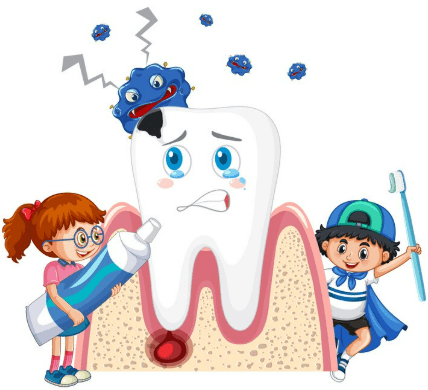
Cavities in little teeth spread fast, because the enamel is thinner than in adult teeth. Left alone, a small cavity becomes a deep one, then an infection, then an abscess — which hurts, wrecks sleep and school days, and can even damage the developing adult tooth sitting right underneath. A decayed milk tooth is a live problem, not a countdown to a tooth that’ll drop out and fix itself.
The good news? Caught early, it’s simple to deal with. That’s the whole argument for not waiting.
How to Protect Your Child’s Baby Teeth
None of this is complicated. It just has to be consistent.
Brush twice a day with the right amount of fluoride toothpaste for their age. Go easy on sugary drinks and sticky snacks. Never send a baby to bed with a bottle of milk or juice. Start flossing once the teeth begin to touch. And bring your child in for regular checkups, so anything starting gets caught while it’s still tiny.
When decay does show up, treating it early and gently is the whole game — a small filling now beats an extraction and a space maintainer later. That’s what preventive pediatric care is built around. And when treatment is genuinely needed, restorative pediatric care repairs little teeth without turning the visit into something scary.
Finding the Right Dental Care for Your Child
A dentist who works only with children changes the entire experience — for them, and for you.
Searching “pediatric dentistry near me” is a good place to begin, but don’t just pick the closest option. When you look up pediatric dentistry near me, look for a team that’s gentle, patient, and genuinely built for kids — not a general clinic that happens to see them.
That’s the practice we’ve created at We Little. As a Best Pediatric Dental Clinic for Kids, everything we do is designed around children — calm, unhurried, and shaped to make the dentist somewhere your child doesn’t dread walking into.
How We Little Can Help
At We Little, protecting your child’s baby teeth is the whole point, not an afterthought. Our team keeps a close watch on how the teeth, bite, and jaw are developing, treats any decay gently and early, and coaches you through the everyday habits that keep problems from ever starting.
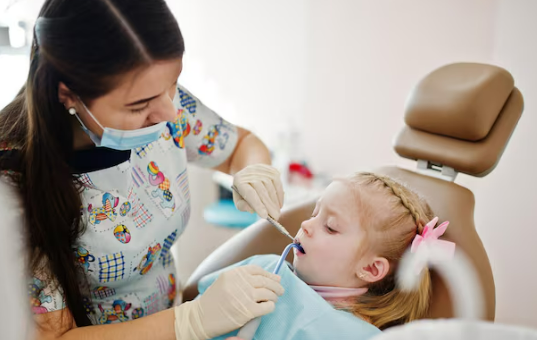
And because we handle everything from simple prevention through to Pediatric Dental And Sedation Care in India for children who need more involved trea<!– SEO META (for your WordPress SEO fields — not part of the visible post) Meta title: Why Baby Teeth Are More Important Than Most Parents Realize | We Little Meta description: “They’ll fall out anyway” is the costliest myth in kids’ dental care. Here is why baby teeth matter so much, and how to protect them. We Little pediatric dentistry. Suggested slug: why-baby-teeth-are-important Focus keyword: baby teeth Image alt text: Pediatric dentist checking a child’s baby teeth at We Little –>
Why Baby Teeth Are More Important Than Most Parents Realize
Almost every parent we meet has said some version of the same line: “They’ll fall out anyway, so why worry?” It is a fair enough assumption on the face of it. It is also one of the more expensive assumptions in children’s dentistry, and we see where it leads most weeks.
Baby teeth are temporary. That does not make them optional. In the years before the adult teeth arrive, they do real work, and when they get ignored, the trouble can reach well into a child’s teens. Most parents picture these first teeth as stand-ins that do not really count. That belief is worth unlearning, and this is what changes once you do.
The Myth: “They’ll Just Fall Out Anyway”
On the surface the reasoning seems sound. Why put effort into teeth that are on their way out.
The catch is the timeline. A child’s first tooth usually shows up around six months of age, and the last of the milk teeth often stays put until eleven or twelve. That is close to a decade of daily use. Through all of it, those teeth are doing jobs a child cannot manage without them. Skipping their care does not save you anything in the long run. It just moves the cost to a later, bigger date.
What Baby Teeth Actually Do for Your Child
Quite a lot more than they tend to get credit for.
The most important job is holding space. Every primary tooth sits in the exact spot where a permanent tooth will one day come through, keeping that place open and waiting. When one is lost early to decay, the teeth on either side usually lean and slide into the gap. The adult tooth that follows then arrives crooked, or gets blocked out of position altogether. A fair share of the orthodontic treatment we see in older children began right here, with primary teeth lost sooner than they should have been.
Then there is the ordinary matter of eating. A child with an aching, decayed tooth chews less and starts avoiding certain foods, and that often happens at the age when steady nutrition counts for the most. Teeth shape speech as well. The front ones in particular help a child form certain sounds while they are still learning to talk. Healthy primary teeth also guide the jaw as it grows, which has a say in the bite, and even in the airway, later on.
When a Cavity in a Milk Tooth Isn’t Harmless
This is the part parents underestimate the most. A cavity in a small tooth is not something to ride out until the tooth falls on its own.
Decay moves quickly in children, partly because the enamel on a milk tooth is thinner than on an adult one. A small spot of decay turns into a deep one, and a deep one can reach the nerve and become an infection or an abscess. That means pain, broken sleep, and missed school, and in some cases it harms the permanent tooth that is quietly forming in the gum just below. A decayed baby tooth is an active problem in the present, not a countdown to something that will sort itself out.
The better news is that early decay is usually simple to treat. That, in one line, is the case for not putting it off.
How to Protect Your Child’s Baby Teeth
The habits that prevent most of this are the ordinary ones, and doing them consistently matters far more than doing anything clever.
Brush twice a day with an age-appropriate amount of fluoride toothpaste. Keep sugary drinks and sticky snacks occasional rather than daily. Try not to let a baby fall asleep with a bottle of milk or juice, since that leaves sugar sitting around the teeth all night. Once two teeth start touching, begin flossing between them. And bring your child in for regular checkups, so that anything just starting can be caught while it is still small and painless.
When a cavity does turn up, treating it early and gently is a much better path than waiting for it to force an extraction. That kind of prevention is the heart of preventive pediatric care. If a tooth does need repair, restorative pediatric can fix it without the visit becoming something your child is scared of.
Finding the Right Dental Care for Your Child
A dentist who spends their days with children is a different proposition from one who mostly treats adults. The manner is different, the pace is slower, and the room itself is built with young patients in mind.
Looking up “pediatric dentistry near me” is a reasonable place to start. Distance is not the thing that should decide it, though. When you search pediatric dentistry near me, weigh up whether the clinic is genuinely set up for young children, meaning gentle, patient, and used to the wriggling and the nerves that come with the age.
That is the practice we have worked to be at We Little. As a Best Pediatric Dental Clinic, the whole place is arranged around children, so that a visit feels calm and ordinary instead of something to dread.
How We Little Can Help
Protecting a child’s first teeth is not a side note for us. It is the main event. Our team keeps an eye on how the teeth, bite, and jaw are coming along, treats any decay early and gently, and talks you through the daily habits that stop trouble before it starts.
We also cover the more involved end of things when it is called for, including Pediatric Dental Care in India for children who need their treatment done comfortably under sedation. Whatever your child’s situation, and whatever their age, there is a way to look after them well.
If it has been a while since your child’s last visit, or they have never been at all, it is a good moment to change that. You can book an appointment at any of our clinics, and have a look at our full range of pediatric dental services to see how we care for growing smiles.
Frequently Asked Questions
Do baby teeth really need fillings if they’ll fall out anyway?
Usually, yes. An untreated cavity keeps spreading, causes pain and infection, and can damage the adult tooth developing underneath. A small filling now is gentler on your child and cheaper for you than dealing with the alternative later on.
At what age do the first teeth start and finish?
The first tooth tends to appear around six months, and the last baby teeth are usually gone by roughly eleven or twelve. Those are years of genuine use in between, which is why they are worth looking after properly.
What happens if a baby tooth is lost too early?
The neighbouring teeth can slide into the empty space and leave too little room for the adult tooth. When that risk is there, a dentist may fit a small space maintainer to hold the gap open until the permanent tooth is ready to come through.
How do I stop my child getting cavities?
Brush twice a day with the right amount of fluoride toothpaste, keep sugary and sticky foods to a minimum, skip the bedtime bottle, and stay on top of regular checkups. Ordinary habits, kept up steadily, prevent most problems before they begin.
When should my child first see a dentist?
By the first birthday, or within six months of the first tooth coming in. Starting that early keeps everything preventive, and it helps your child grow up comfortable at the dentist rather than fearful of it.
Baby teeth are not simply going to fall out and be forgotten, at least not in any way that lets a parent look past them. They hold space, they help a child eat and speak, and they set the stage for the permanent teeth that follow. Look after them properly and you make the years ahead easier for your child, mostly in ways they will never have to notice. That is the quiet value of getting this right early on.