Tooth decay is the most common chronic condition of early childhood, and primary teeth prove far more susceptible to it than adult teeth. Surveys in India have found some decay in well over half of children by the age of five, much of it on the upper front teeth, and a good deal of it in children whose parents brush them every day. Brushing helps, but it is not the whole picture. A child’s diet, the timing and manner of their feeding, and the particular bacteria in their mouth shape the outcome at least as much as the toothbrush does.
Decay also advances faster in a baby tooth than most parents anticipate, which is why an early understanding of its causes is worth having. What follows sets out how the process works, why young teeth give way so quickly, and what can be done to prevent and treat it.
How Tooth Decay Develops
Decay is a gradual chemical erosion rather than a sudden failure. Every mouth carries bacteria, and one species above all, Streptococcus mutans, thrives on dietary sugar. As it breaks that sugar down it produces acid, and the acid lowers the pH at the tooth surface. Below about pH 5.5, enamel starts to lose its minerals. Saliva reverses some of that loss between meals, but when acid attacks arrive too often for saliva to keep up, the enamel is eventually breached and a cavity begins.
This explains why how often a child eats matters more than how much sugar they take in. One dessert causes a single acid episode of perhaps twenty to thirty minutes. A toddler who grazes on biscuits and sweet drinks across an afternoon causes one after another, so the teeth spend most of the day losing minerals and barely any of it recovering.
Why Baby Teeth Give Way So Quickly
The enamel of a primary tooth is around half as thick as that of a permanent tooth, and less densely mineralised. Acid has a far shorter distance to travel before it reaches the softer dentine beneath. Decay that would take years to turn serious in an adult tooth can reach the inner tissue of a toddler’s tooth within months.
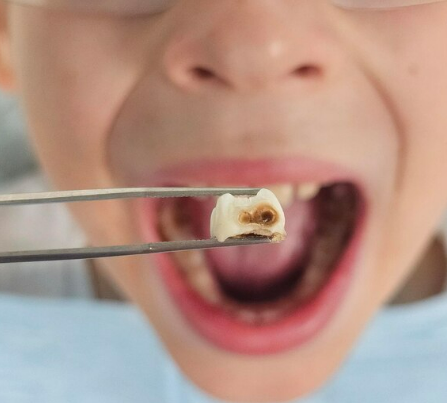
The pace increases once the dentine is involved and the decay moves toward the pulp, the central chamber holding the nerve. A child may then show sensitivity, pain while eating, disturbed sleep, or a swollen cheek. A brown mark that looked trivial at one check-up can become an abscess by the next, which is the chief reason early detection carries so much weight.
The Everyday Causes Behind Most Decay
In young children, most decay traces back to feeding and snacking rather than to any failure of brushing. The most damaging single habit is prolonged bottle feeding, and night feeding in particular. A child who sleeps with a bottle of milk, formula, or juice holds a film of sugar against the upper front teeth for hours, at a time when salivary flow, which would otherwise wash it away, has slowed. The pattern is common enough to carry a clinical name, early childhood caries. Daytime sipping from a juice cup, and unrestricted night feeding once the teeth have come through, act in much the same way.
Frequent snacking on sweet or starchy foods does its damage by multiplying the daily acid attacks. Irregular brushing lets plaque build into a reservoir for acid-producing bacteria. And low fluoride exposure removes a layer of defence, since fluoride both hardens enamel and reverses the earliest stages of decay.
One cause is missed almost every time. The bacteria that drive decay are absent from a newborn’s mouth; they are transmitted later, usually from a parent, through shared spoons, tasting food from the child’s own utensil, or cleaning a dropped soother by mouth. These are ordinary, affectionate acts, yet they seed the child’s mouth with the very organisms that start the process. Cutting down on them lowers the bacterial load a child begins with.
How to Prevent It
Prevention rests on a handful of consistent measures. Teeth should be brushed twice a day with a fluoride toothpaste suited to the child’s age. Bottles and sugary drinks belong outside the bedtime routine, with water offered in their place. Sweet and sticky foods are better confined to mealtimes, which gives the enamel long recovery windows in between. Cleaning between the teeth should begin as soon as two of them touch, and the first dental visit should fall by the first birthday, with regular checkups after that.
Professionally applied fluoride varnish and dental sealants provide a further margin of protection and take only minutes to place. Measures of this sort are the substance of preventive pediatric care, which is directed at preventing tooth decay rather than repairing it once it has taken hold.
Treatment When Decay Has Occurred
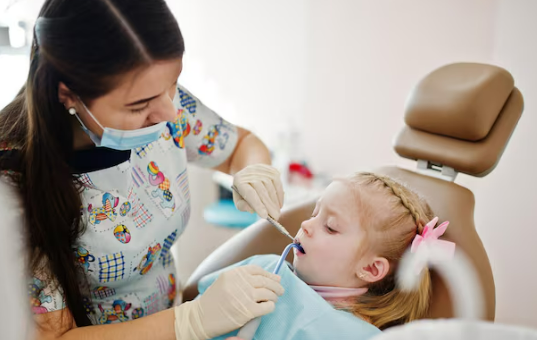
Where decay has already begun, early intervention keeps matters straightforward. Tooth decay treatment for a small, recent cavity is usually a single filling completed in one appointment. Deeper decay may call for a crown to rebuild the tooth, or pulp therapy where the nerve is affected, which retains the tooth instead of removing it.
Timing governs how much work is involved. A cavity addressed early may need only a filling, whereas the same tooth left untreated for a year can require extraction together with a space maintainer to hold room for the permanent tooth beneath. Early assessment therefore limits both the treatment and its cost. At We Little, restorative pediatric care is carried out with close attention to keeping the child calm and the appointment short.
The We Little Approach
We Little is oriented toward finding and correcting the causes of decay before restorative work becomes necessary. Routine visits include a check for the earliest signs of mineral loss, the faint white and brown marks that precede a lesion, along with specific guidance for parents on diet and hygiene. Where restorative treatment cannot be avoided, it is delivered with techniques meant to keep the experience calm for the child.
As a Best Pediatric Dental Clinic for Kids, the practice is built around younger patients rather than adapted for them. For very young children, those who are anxious, or cases that need extensive work in one session, Pediatric Dental And Sedation Care in India is available so that treatment stays comfortable throughout.
Parents who notice a white or brown mark on a tooth, or discomfort when their child eats, should arrange an assessment without delay, since early tooth decay is far simpler to treat than advanced decay. A first appointment is an assessment, not a procedure. Appointments can be made at any of the clinics in Chennai, Coimbatore, Bengaluru, and Hyderabad through the booking page, and the full range of pediatric dental services is set out separately for reference.
Frequently Asked Questions
What is the main cause of tooth decay in baby teeth?
The interaction of sugar and bacteria. Oral bacteria convert dietary sugars into acid, and the acid dissolves enamel. Since it is the frequency of exposure that counts, steady snacking does more harm than an occasional larger treat.
Does decay in a baby tooth need treatment if the tooth will fall out?
Yes. Left untreated it keeps spreading, can cause pain and infection, and may damage the permanent tooth forming beneath it. The early loss of a baby tooth can also crowd the adult teeth that follow, so treatment is advisable in nearly every case.
Is night-time bottle feeding harmful to a child’s teeth?
It is one of the most established causes of early decay. Milk and juice both contain sugar, and prolonged contact through the night, when saliva flow is low, raises the risk considerably. Only water is advisable at bedtime.
Is tooth decay treatment painful for children?
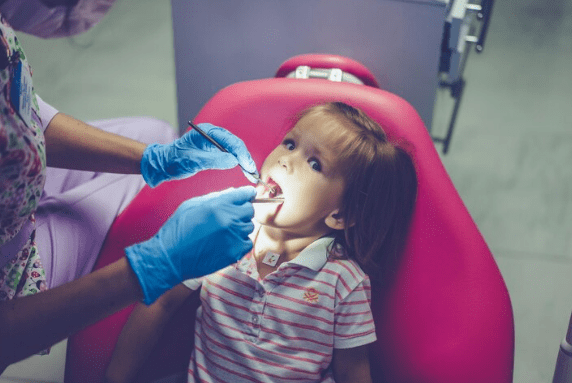
In most cases it is not. A small filling is brief, and local anaesthetic is used where needed. For anxious or very young children, or for more involved work, sedation is available to keep the child comfortable.
When should a child first see a dentist?
By the first birthday, or within six months of the first tooth appearing. Early visits keep the emphasis on prevention and let the child grow used to the dental setting before any treatment is required.
Tooth decay in baby teeth is widespread, yet it stays one of the most preventable conditions of early childhood. Because it advances quickly and can affect a child’s comfort, nutrition, and permanent teeth, it repays early attention. A few consistent daily habits, supported by regular professional review, protect a child’s oral health well through these formative years.